Think. Do. Change.
About CEEDFeatured Resources
Check out CEED's publications
View All Resources
- A 1.5C future is possible: Getting fossil fuels out of the Philippine power sector
- Philippine Fossil Gas Landscape
- Switching On Transformative Energy
- Confronting a Fossil Future: Stopping the Gas Detour in Renewable-Rich Southeast Asia
- Can’t Take The Heat?: Examining the Philippines’ Perennial Power Outages Problem caused by Fossil Fuels
Latest Articles


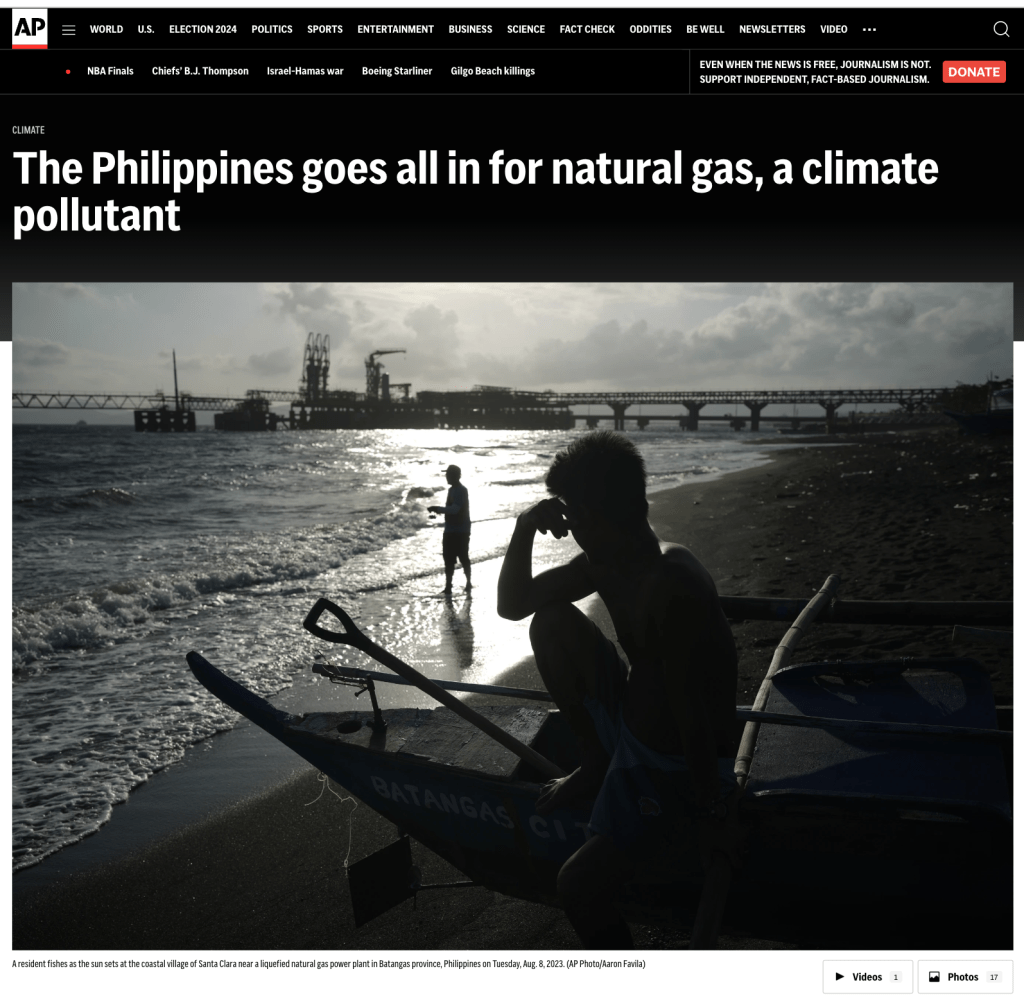
IN THE NEWS: The Philippines goes all in for natural gas, a climate pollutant
The Philippines is going all in for electricity made via climate-damaging combustion, with almost two dozen power stations planned and the ambition to become a gas hub for the entire Asia Pacific region.
It’s one of the world’s largest natural gas power buildouts and will contribute to climate change at a time when alternative, renewable electricity has never been cheaper. Read the story on the Philippines' dangerous detour to fossil gas, as told by Ed Davey for The Associated Press.
Read the article 
A 1.5C future is possible: Getting fossil fuels out of the Philippine power sector - Report
It is entirely feasible for the Philippines’ power sector to decarbonise by 2050, ditching both coal and gas and embracing renewables, and deliver beneficial outcomes for the country – according to a new analysis from Climate Analytics, commissioned by CEED. This report undertakes what could be the most detailed 1.5˚C scenario modeling of the Philippines power sector to date. The results estimate the massive renewable energy potential for the country, and how a 100% renewable energy transition will bring about not only climate-alignment, but also socio-economic benefits for Filipinos.
Read the report 
Why the PH natural gas development bills are climate-blind | Policy brief
Amid the scorching El Niño in April, the Philippines was surprised by a series of outages that triggered yellow and red alerts across the Luzon and Visayas grids for over a week. This report from CEED explores the Philippines’ perennial power outages in the last five years, and identifies that solving it requires an urgent shift away from its primary culprit – coal plants – through a hastened transitioning to renewable energy.
Read the report 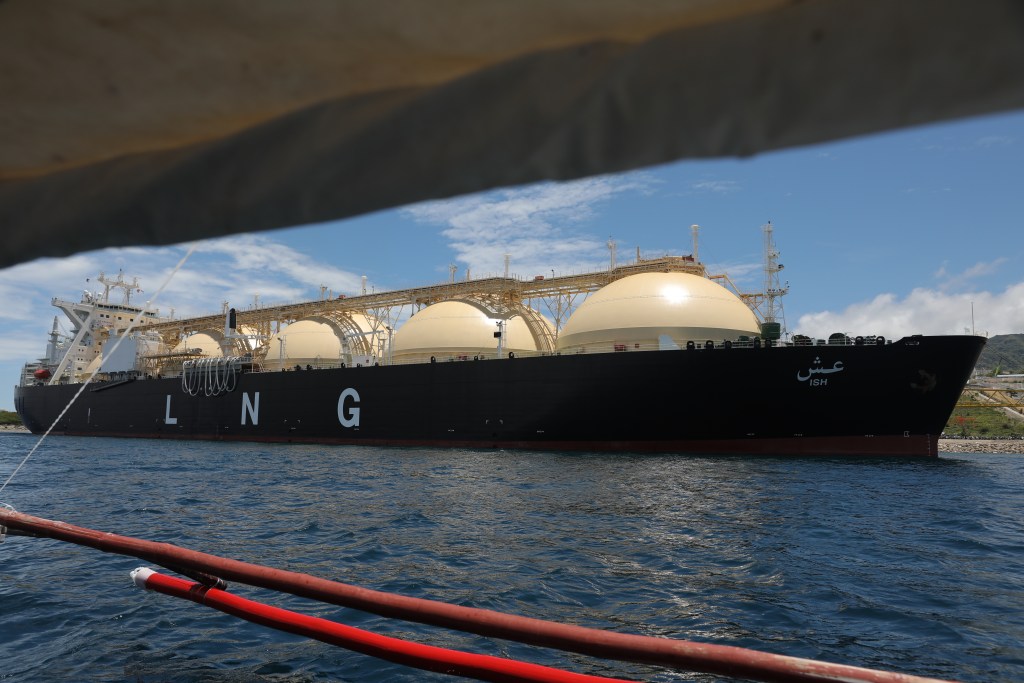
Oil Spill in the Verde Island Passage
The Verde Island Passage is a marine biodiversity hotspot hosting the greatest diversity of marine shore fish in the world. It is, however, also the epicenter of fossil gas and liquefied natural gas development in the Philippines. This will result in an expected growth of demand for LNG, and increase of LNG tankers and shipping traffic. In this report, we explore issues and impacts of heightened LNG shipping activities in the VIP.
Read the report 
Financing a Fossil Future: Tracing the Money Pipeline of Fossil Gas in Southeast Asia
Amid record-high fuel rates and a raging climate crisis, Southeast Asia is spiraling into a fossil future thanks to a massive fleet of gas projects, risking the region’s energy security, biodiversity, and any and all hope to limit global temperature rise to less catastrophic levels. This report published by CEED and partners dives into fossil gas projects and companies in SEA and the institutions that bankrolled their destructive activities through financial services from 2016 to 2022.
NEW REPORT on fossil gas financing in SEA 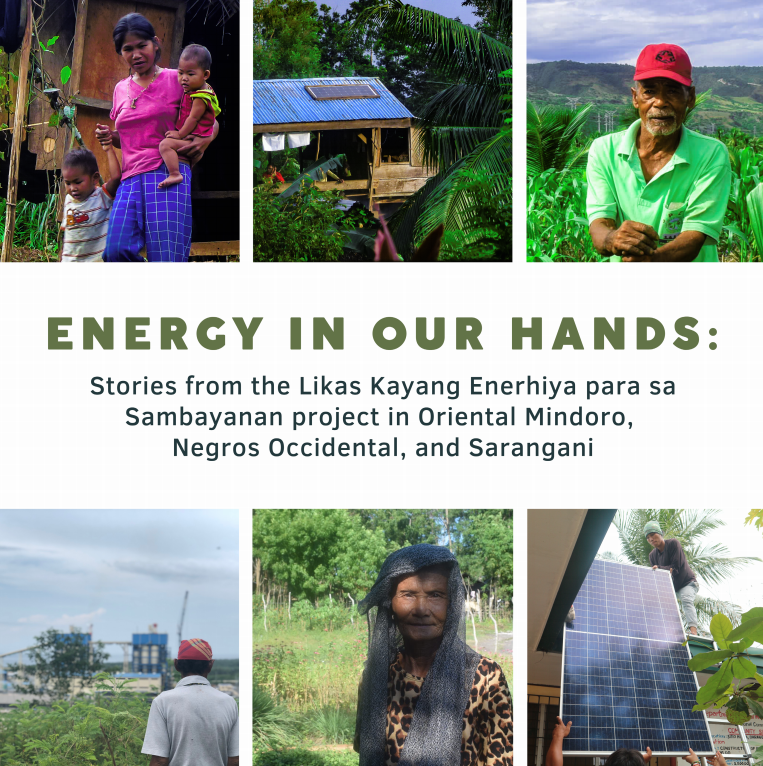
Energy in Our Hands
Renewable energy is transformative. In this photo book, we share with you stories from some of the communities who today are taking on the challenge of pushing forward clean, affordable, and accessible energy for all.
Read more here on the Likas Kayang Enerhiya para sa Sambayanan project in Oriental Mindoro, Negros Occidental, and Sarangani.
Energy in Our Hands 
Switching On Transformative Energy | Report
The worsening climate crisis, lingering pandemic, and increasingly unreliable and inequitable energy systems provide the Philippines an unparalleled opportunity to rethink its energy sector, and sustained reliance on fossil fuels would only keep the country from reaping the full benefits of its readily available renewable energy sources. CEED explores this in its latest report: Switching On Transformative Energy.
Read More 
About CEED
The Center for Energy, Ecology, and Development is a think-do organization that conducts research and advocacy and partners with communities and basic sectors for energy democracy, ecological integrity, and a people-centered development. Established in 2015, CEED is composed of individuals with a heart for the environment and for the people.