CEED on the outcomes of the third United Nations Ocean Conference (UNOC3)
UNOC3 was an opportunity for global leaders to live up to the history that vulnerable peoples made in France a decade ago by fighting for and winning the 1.5°C goal in the Paris Agreement. As this critical conference comes to a close, we welcome important conversations and commitments made on protecting ocean biodiversity within and beyond national jurisdictions, stopping plastic pollution at the source, and halting deep sea mining, among others. The challenge issued by COP30 President Brazil for countries to place the ocean at the heart of their nationally determined contributions (NDC) is also timely and urgent, as the vast ambition gap for a 1.5°C-aligned global reduction of emissions remains – with tremendous implications to the plight of our ocean.
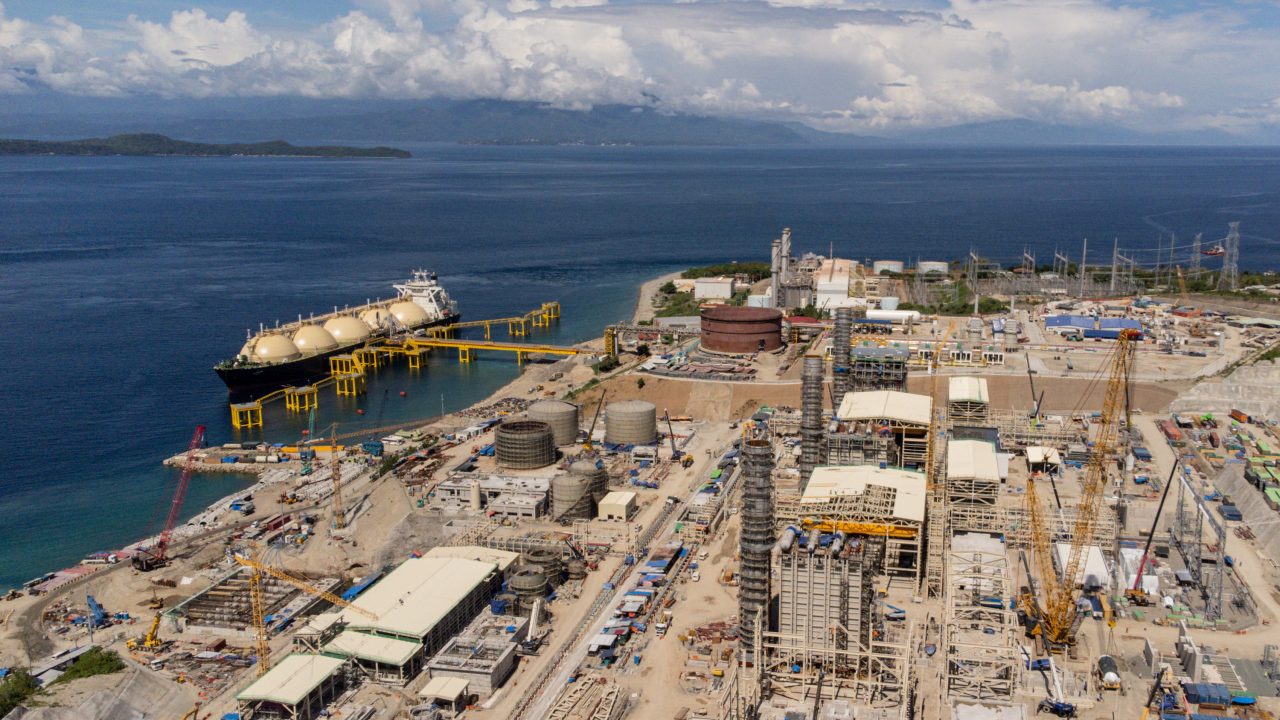
Yet the glaring lack of commitments or calls at UNOC3 for the rapid and urgent phaseout of fossil fuels is a major disappointment. The continued expansion of fossil fuels and any diversion from a 1.5°C-aligned pathway for their phaseout doubly harms our world’s ocean – with extreme biodiversity loss from the exacerbation of the climate crisis, and from direct pollution to our seas and coasts all throughout the fossil fuel value chain. Such is the case for Southeast Asia’s biodiverse Coral Triangle and Verde Island Passage (VIP) in the Philippines, where marine and coastal ecosystems are in peril from fleets of operating and proposed fossil gas facilities. On top of air and water pollution, construction of fossil gas facilities also creates irreversible damage and displacement for marine and coastal ecosystems. Increased shipping for liquefied natural gas importation also increases risks of marine pollution from toxic cargo and disruption of marine life.
The ambition for a fossil-free ocean must be at the heart of both climate and ocean action. Neglect of it is an injustice to the world’s vulnerable and ocean-dependent communities, and to all life below water.
A fossil-free ocean cannot be realized for as long as the very countries claiming to champion ocean conservation also continue to be behind the money pipeline for fossil fuels. Point in case is the massive fossil gas expansion unfolding in the Coral Triangle, fueled by billions in dollars poured by financial institutions from France, the host of UNOC3, and other Global Northern countries since the Paris Agreement. Against the backdrop of the disappointing ‘Finance COP’ in Baku – which produced a vague and elusive finance target that is no less than a death sentence for vulnerable peoples in the Philippines and the world – continued fossil fuel financing places at risk the very survival of communities and biodiversity most affected by the climate crisis. It also puts into question all genuinity of ocean conservation and climate commitments of French and Global Northern countries and their financial institutions, with detrimental impact to the level of ambition that the new set of NDCs is bound to deliver ahead of COP30.
We are also dismayed that the Philippine government failed to affirm at the global stage its commitment to integrate the VIP into the Philippines’ protected areas system and as a cherished heritage for all. UNOC3 is an important yet now missed opportunity for the government to exhibit leadership in the conservation of our world’s seas, and to thus challenge scaled-up ambition for climate and ocean justice and action from other world leaders.
The Philippine government must show climate-ocean leadership at the Climate Intersessional Conference in Bonn and the Climate Conference in Belem by taking on the Blue NDC Challenge. We must place the entirety of the Verde Island Passage, the Amazon of the Oceans, and all other key biodiversity areas from coasts to deepest waters at the heart of our climate commitments to champion the best interests of Filipinos whose lives and livelihoods are deeply intertwined with our seas.