REPORT: Philippines’ ‘last ecological frontier’ at risk from offshore oil and gas extraction plans
The Center for Energy, Ecology, and Development (CEED) on Friday unveiled a new report raising alarm over the numerous petroleum service contracts (PSC) now actively being pursued in waters surrounding Palawan, which place its critical biodiversity and communities at risk from environmental, social, and health impacts.
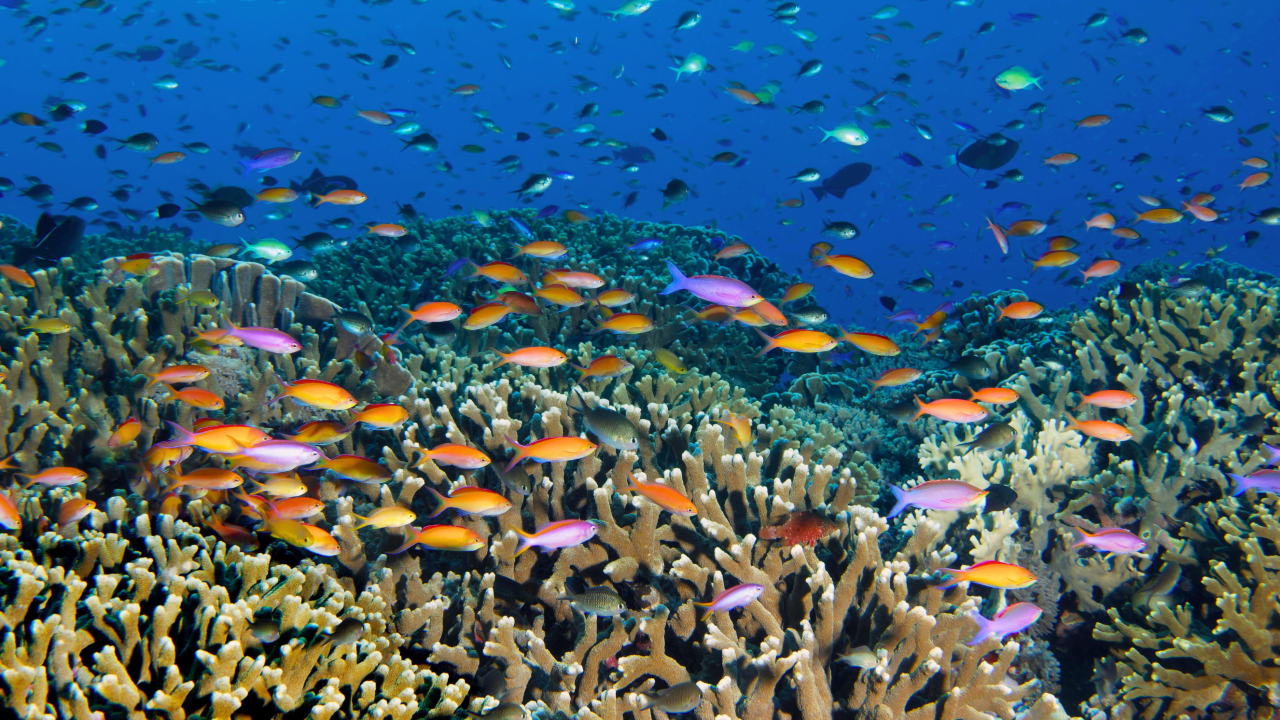
The report “Don’t Drill Paradise”, a scoping paper on oil and gas exploration and development in the Philippines, revealed that 14 of 22 active PSCs in the Philippines are located in Palawan. A UNESCO Biosphere Reserve, the province is dubbed as the Philippines ‘last ecological frontier’. But its biodiverse waters are endangered, with at least four of these contract areas situated near protected areas, including the UNESCO World Heritage Site Tubbataha Reef, El Nido-Taytay Resource Protected Area, and Malampaya Sound Protected Seascape.
Four of the active PSCs are also located within municipal waters, and all of them overlap with Fisheries Management Areas. This means that upstream oil and gas activities are within areas directly relevant to municipal fishing and coastal livelihoods.
“From the exploration stage itself, oil and gas extraction entails noise pollution that causes hearing damage and stress to marine animals and interferes with their essential activities. The risks of spills, methane pollution, risks to livelihoods, and health impacts also accumulate over time,” explained Gerry Arances, Executive Director of CEED.
“For a country that has an abundant potential for renewable energy, it makes no sense to harm critical biodiversity and our last ecological frontier for energy sources that only contribute to worsening the climate crisis,” Arances said.
“We are an island ecosystem of 1,700 islands,” explained Atty. Gerthie Mayo-Anda of the Environmental Legal Assistance Center (ELAC) based in Puerto Princesa. “And we are facing so many threats now. It is very important for us to take a hard look and revisit the science from the last several decades that labeled us as the ‘last ecological frontier’ in the first place – the science that introduced Palawan as abundant and relatively unharmed. It is very ironic that we have these many service contracts now surrounding us. Worse, it’s worrisome that stakeholders do not know of what new master plan is being implemented for energy in the province. Where is science, where is consultation in the whole process?” she asked.
Last October 20, church leaders, civil society groups, environmental advocates, indigenous peoples’ groups, fisherfolk groups, and other sectors launched a campaign to “Defend Palawan” and protect food, people, and biodiversity from extractive fossil fuel activities, which will only harm Palawan’s ecosystems at a time of worsening climate vulnerability.
“We call for a serious and transparent review of offshore oil and gas exploration proposals, especially those that may threaten protected areas, marine biodiversity, and the livelihoods of vulnerable communities,” said Fr. Mon Herher of the Social Action Center of the Apostolic Vicariate of Puerto Princesa.
“Our seas sustain fisheries, support local tourism, and provide food for countless families. Oil and gas exploration carries risks that must never be taken lightly, particularly in ecologically sensitive areas. We must not wait for irreversible damage before we act,” Fr. Herher added.