Defend Palawan coalition calls for protection of biodiversity, livelihoods, and communities
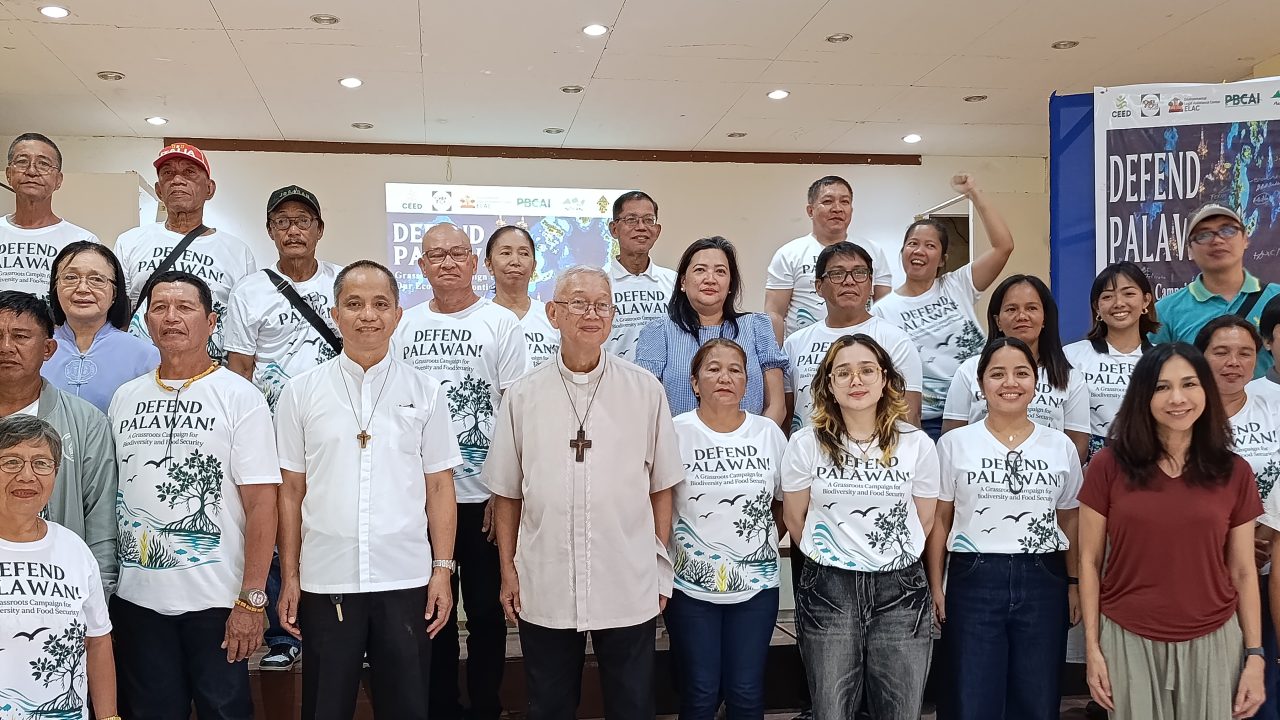
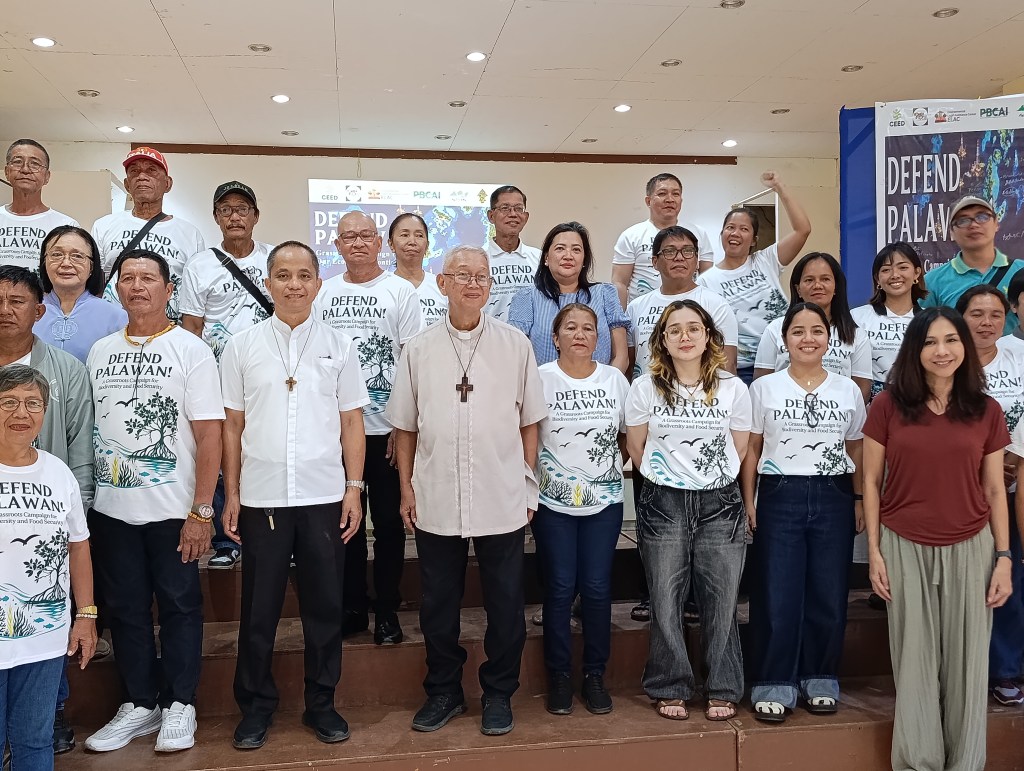
PUERTO PRINCESA, PALAWAN — Indigenous Peoples, fisherfolk, faith groups, scientists, environmental advocates, and civil society organizations have united under the Defend Palawan Campaign to protect the province’s rich biodiversity, coastal livelihoods, and natural heritage from expanding offshore oil and gas activities and the proposed fossil gas corridor.
Known as the Philippines’ last ecological frontier, Palawan is home to globally important biodiversity, UNESCO World Heritage Sites, and ecosystems that sustain fisheries, tourism, food security, and local communities. Its forests, mangroves, coral reefs, seagrass beds, and watersheds also help communities cope with climate impacts.
The coalition expressed concern over expanding petroleum service contracts and related infrastructure, warning that their combined impacts could threaten marine habitats, protected areas, ancestral territories, and traditional fishing grounds.
“Palawan’s seas, forests, and ancestral lands are a shared heritage that must be protected for present and future generations. We must ensure that development supports communities and livelihoods without putting the province’s natural wealth at risk,” the campaign declaration states during a press conference campaign launch this week at Palawan State University.
The proposed fossil gas corridor could involve interconnected offshore exploration, production facilities, pipelines, and shipping routes. The coalition warns that these activities may increase pollution, disturb marine habitats, contribute to methane emissions, and expose coastal communities to the risks of leaks and oil spills.
The 2023 MT Princess Empress oil spill off Mindoro showed how marine pollution can damage ecosystems and disrupt coastal livelihoods. The coalition urges the government to carefully assess the risks of expanding extractive activities before similar harm threatens Palawan.
“Those who suffer most from biodiversity loss are often the poor and those who depend on the sea for their livelihood. We risk damaging the very home that sustains us,” said Bishop Socrates Mesiona of the Vicariate of Puerto Princesa.
Protect biodiversity and community rights
The declaration stresses that protecting Palawan’s environment also means safeguarding food security, clean water, livelihoods, and the rights of Indigenous Peoples and coastal communities. The coalition calls for respect for Indigenous Peoples’ right to free, prior, and informed consent (FPIC), meaningful public participation, access to information, and accountability in environmental decision-making.
It urges the national government to suspend the awarding of new petroleum service contracts and the development of new upstream oil and gas projects in Palawan while conducting a transparent, independent, and science-based review of existing contracts and proposed infrastructure.
Bishop Broderick Pabillo of the Vicariate of Taytay also raised concerns about the impact of development on Indigenous communities. “The insatiable need for land for mass tourism has already displaced Indigenous Peoples from their own ancestral lands,” he said, calling for greater respect for their rights and protection of their homes.
Among those who attended and signed on to the Defend Palawan campaign were known staunch anti-mining advocate and Brooke’s Point vice mayor Atty Mary jean De Los Angeles Feliciano, fisherfolk and indigenous groups, as well as the social action centers of the dioceses of Puerto Princesa City and Taytay in northern Palawan.
The coalition further calls for stronger enforcement of environmental and Indigenous Peoples’ rights laws, including the Strategic Environmental Plan for Palawan Act and the Expanded National Integrated Protected Areas System Act. Proposed projects near ecologically sensitive areas, including Tubbataha Reefs Natural Park, El Nido-Taytay, and Malampaya Sound, must undergo rigorous scrutiny and comply with applicable safeguards.
Prioritize climate action and clean energy
The campaign also highlights concerns over extreme heat, drought, water shortages, and food security amid the possibility of a super El Niño. It cautions against treating fossil gas as a clean energy solution, pointing to methane emissions and the risk of prolonged dependence on fossil fuels.
Instead, the coalition calls for greater investment in renewable energy, energy efficiency, and decentralized energy systems that can improve energy access and affordability while protecting biodiversity and community rights. The signatories pledged to strengthen public education, research, advocacy, and peaceful collective action to defend Palawan’s ecosystems and communities.
The campaign invites all sectors of society to stand with Indigenous Peoples, fisherfolk, and local communities in protecting Palawan’s natural heritage and ensuring that development sustains livelihoods without compromising the province’s ecological future.
Defend Palawan. Protect our seas, livelihoods, and future.