
Catholic Church and Philippine Civil Society Convene for Systemic Change Against “Tolerated Evils” in Governance, Ecology, and Economy
Manila, Philippines – Church leaders, climate advocates, labor groups, people’s organizations, and sectoral representatives from Philippine civil society are gathering for “Hayuma: Mending the Broken”, a Church-led convergence on ecology, governance, and the economy, being held from January 14 to 16, 2026 at the University of Santo Tomas, Manila.
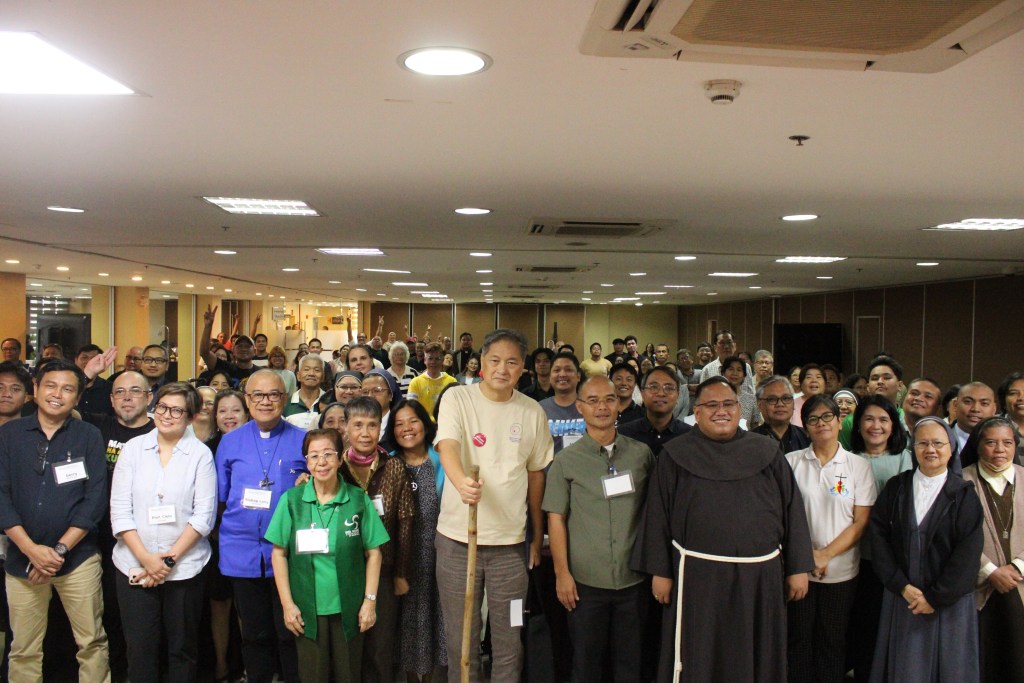
The three-day convergence highlights the Catholic Church’s continuing role in addressing systemic and interconnected social issues often described as “tolerated evils.” These include ecological degradation, economic injustice, and failures in governance that affect communities across the country.
Hayuma is bringing together the Church and civil society to examine these concerns through pastoral teachings and the lived realities of Filipinos from different sectors. The discussions aim to inspire collective action toward long-term, structural reforms rooted in social justice, environmental protection, and inclusive governance.

“The corruption scandal in government is but the tip of the iceberg of systemic injustice in Philippine society. Today, we embody the courage and hope to truly be a Church of the poor in confronting interconnected societal ills through also strengthening our own connections. Hayuma is the commencement of even stronger collaboration from the Church and workers, communities, people’s organizations, sectoral groups, and civil society. We will work together toward systemic change across economy, ecology, and governance, informed by Catholic teachings and our lived experiences,” said Bishop Gerry Alminaza of the Diocese of San Carlos, who stepped into his new role as President of Caritas Philippines in December 2025.
“This convergence is a response to the call of Pope Francis and of Pope Leo for the implementation of synodality – coming together, praying together, reflecting together on issues related to Mother Earth. And as we come together, we ask the Lord to be with us. It is the Lord that guides us,” said Archbishop Garcera, President of the Catholic Bishops Conference of the Philippines.
The event is organized through a partnership between Caritas Philippines, Conference of Major Superiors of the Philippines (CMSP), and the Center for Energy, Ecology, and Development (CEED), with participants including representatives of workers, women, youth, Indigenous Peoples, and marginalized communities.
“Maraming problema sa sistemang ginagalawan natin – mahihinang institusyon, kultura ng impunity, mga dinastiyang politikal, kahirapan, kawalan ng hustisya, korapsyon, patronage politics, at iba pa. Ano ang gagawin ng simbahan sa malalaking krisis na ito? Itong pagsasama-sama natin ngayon ang konkretong tugon sa mabuting balita, tungo sa lipunang malaya mula sa mga krisis sa politika at kalikasan, ” said Fr. Angel Cortez, Co-Executive Secretary of CMSP.
[“There are multitudes of systemic issues in the society we live in – weak institutions, a culture of impunity, political dynasties, poverty, injustice, corruption, patronage politics, and so much more. What will the Catholic Church do against these crises? Our gathering for Hayuma is a response to God’s call, towards a shared community free from all crises.”]

Through Hayuma: Mending the Broken, the Catholic Church and Philippine civil society are reaffirming their shared commitment to confronting deeply rooted social, economic, and environmental challenges and working together toward meaningful, systemic change.
“We face much brokenness in the world today – an intensifying climate crisis, worsening vulnerability and poverty, rampant corruption, and global conflicts. These crises cannot be allowed to divide our communities; hence the need to come together and step into the challenge of becoming catalysts of change. We look forward to the systemic transformation that the Church, civil society, and the Filipino masses will be forging from here on,” said Gerry Arances, Executive Director of CEED.
Given the crucial role of the working class towards systemic change, Hayuma saw participation from representatives of diverse labor groups in the Philippines.
“Dahil sa pang-aabuso at korapsyon ng mga oligarko at ng gobyerno, sandamakmak ang kahirapang nararanasan ng taumbayan. Malaki ang papel ng uring manggagawa at ng masa para sa pagbabago ng lipunan. Makibahagi sa pagbabago – pakinggan at intindihin ang mga karanasan ng pang-aabuso sa atin. Magsama-sama tayo at mag-organisa patungo sa lipunang inuuna ang tao,” said Leody De Guzman, Chairperson of the Partido Lakas ng Masa (PLM).
[“Because of exploitation and corruption from oligarchs and corrupt officials, our communities endure multitudes of crises. The working class and the masses play a crucial role towards societal change. We call on the public – be part of this change. Listen and understand our communities’ experiences of abuse from the powers that be. We must unify and organize, headed towards a community that puts people first.”]